How to Inspect Your ATV After Winter Storage: A Step-by-Step Guide

Apr 29, 2025
6 min read

Our Practice Areas
Key Takeaways
- A thorough 10-step inspection of your ATV after Maritime winter storage is essential before heading out on trails, covering battery, tires, fluids, brakes, drive chain, electrical systems, air filter, and suspension.
- Salty, moist coastal air and cold Maritime winters accelerate battery corrosion, rubber deterioration, and drive chain rust, all requiring specific attention after storage.
- Riding with low-pressure tires or degraded brake components significantly increases the risk of accidents on New Brunswick, Nova Scotia, and PEI trails.
- New Brunswick alone has over 4,000 km of ATV trails, and improper maintenance is identified by Transport Canada as a contributing factor in ATV accidents nationwide.
- If you are injured in an ATV accident, a personal injury lawyer can help determine whether improper maintenance, negligence, or unsafe conditions contributed to the incident.
After a long, cold Maritime winter, it’s crucial to properly inspect your all-terrain vehicle (ATV) before taking it out on the trails. Maritime provinces like New Brunswick, Nova Scotia, and Prince Edward Island feature challenging and varied terrain, making it essential that your ATV is in top condition to handle rugged landscapes safely.
This step-by-step guide walks you through necessary inspections, along with insights specific to riding conditions in the Maritimes.
Step 1: Clean Your ATV
Harsh Maritime winters, combined with road salt and moisture, increase the risk of rust and grime build-up. Start by thoroughly cleaning your ATV.
This allows you to spot any signs of rust, wear, or mechanical damage that may have occurred during storage. Pay close attention to areas where salt and moisture may have collected, especially around the chassis and joints.
Step 2: Check the Battery
Cold winters can take a toll on ATV batteries, particularly if they weren’t stored properly. Battery issues are common in the Maritimes due to extended cold weather.
- Inspect the battery terminals for corrosion caused by moisture. Damp storage environments, often found in Maritime homes and sheds, can accelerate degradation.
- Check the battery charge using a voltmeter. If it isn’t holding a charge well, replacement may be necessary, especially if it sat idle for months in cold conditions.
Step 3: Inspect the Tires
ATVs in the Maritimes frequently encounter rocky, wet, and muddy terrain, making tire condition critical.
- Check tire pressure: Cold temperatures cause air to contract, so your tires will likely need inflating. Riding with low-pressure tires can affect control, particularly on uneven Maritime terrain.
- Look for cracks or flat spots: Salt and freezing temperatures can harden rubber, making tires more prone to cracking. Inspect carefully, especially if you ride on sandy beaches in PEI or rocky trails in Nova Scotia.
Riding with low-pressure tires can affect your control.
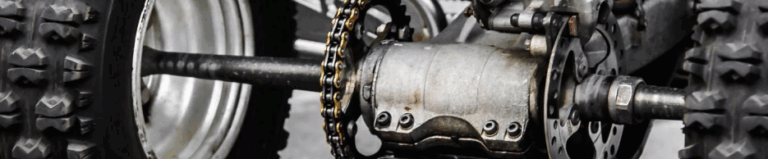
Step 4: Check Fluids
ATV fluids such as engine oil and brake fluid can degrade in cold conditions and over time. Long Maritime winters often cause condensation and moisture to build up inside fluid reservoirs.
- Engine oil: After winter, oil may have absorbed moisture, reducing effectiveness. Consider changing it if you notice cloudiness or a milky texture.
- Brake fluid: Check for signs of water contamination, which can occur in cold, humid storage environments typical of the Maritimes.
Step 5: Inspect Brakes and Cables
Reliable braking is essential, especially given the unpredictable and often slippery trail conditions in the Maritimes.
- Brake pads: Look for uneven wear or rust. Wet conditions common in the region increase the risk of corrosion.
- Brake lines and cables: Inspect for cracks or brittleness, which freezing temperatures in New Brunswick, Nova Scotia, and PEI can worsen.
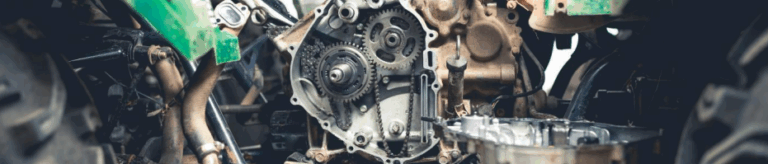
Step 6: Inspect the Drive Chain or Belt
The Maritime provinces’ diverse landscapes, require a dependable drive system.
- Check tension and lubrication: Winter storage can cause chains to stiffen or rust. Lubricate properly to ensure smooth operation.
- Inspect for rust or wear: This is particularly important for riders who frequently encounter sand, saltwater, or mud.
Winter storage can cause your chain to stiffen or rust.
Step 7: Test the Electrical System
Electrical issues are more common in colder climates, so Maritime riders should thoroughly test their systems after storage.
- Test all lights: Ensure headlights, tail lights, and indicators are functioning. Fog and mist on Maritime trails can reduce visibility.
- Inspect wiring: In rural areas, rodents may chew through wires during storage, a common issue in parts of Nova Scotia and PEI.
Step 8: Inspect the Air Filter
After months of inactivity, your air filter may be clogged with dust or debris.
- Check for dirt buildup and replace if necessary. Salty, moist coastal air in parts of the Maritimes can accelerate filter deterioration.
Step 9: Check the Suspension
Maritime trails can be rough and unpredictable, making suspension quality essential.
- Test shocks: Push down on the ATV to ensure the suspension compresses and rebounds smoothly. Look for stiffness that may have developed during storage.
Step 10: Perform a Final Safety Check
Given the unpredictable weather and terrain in the Maritimes, complete a final inspection before heading out.
- Perform a test ride: Choose a safe, open space and listen for unusual sounds, vibrations, or performance issues.
- Check the emergency shut-off: This is particularly important on challenging trails throughout New Brunswick and Nova Scotia.
A Maritime Perspective on ATV Riding
The Maritime provinces are known for beautiful yet demanding ATV trails. From the Fundy trails in New Brunswick to Nova Scotia’s rugged coastline, your ATV must handle diverse and sometimes harsh terrain.
With over 4,000 km of trails in New Brunswick alone, regular maintenance is essential to ensure safe and reliable performance.
ATV-related injuries and accidents are not uncommon in the Maritimes, especially as more riders explore off-road areas. According to Transport Canada, improper maintenance is a contributing factor in ATV accidents nationwide.
In New Brunswick, Nova Scotia, and PEI, this risk is amplified by coastal conditions, salt air, and rugged terrain.
Helping Injured Clients
For over 35 years, CLG Injury Lawyers have helped thousands of injured clients. We fight for your rights to receive the maximum compensation you deserve, providing you the Peace of Mind to focus on your Road to Recovery. Our experienced personal injury lawyers offer a free, no obligation case evaluation. Contact us today to speak with a lawyer.
For more articles and safety tips, visit our blogs page.
People Also Ask
Why is it important to inspect my ATV after winter storage in the Maritimes?
What ATV components are most affected by Maritime winter conditions?
How do I check if my ATV battery is still good after winter?
What are the ATV trail conditions like in New Brunswick, Nova Scotia, and PEI?
What should I do if I am injured in an ATV accident in Atlantic Canada?